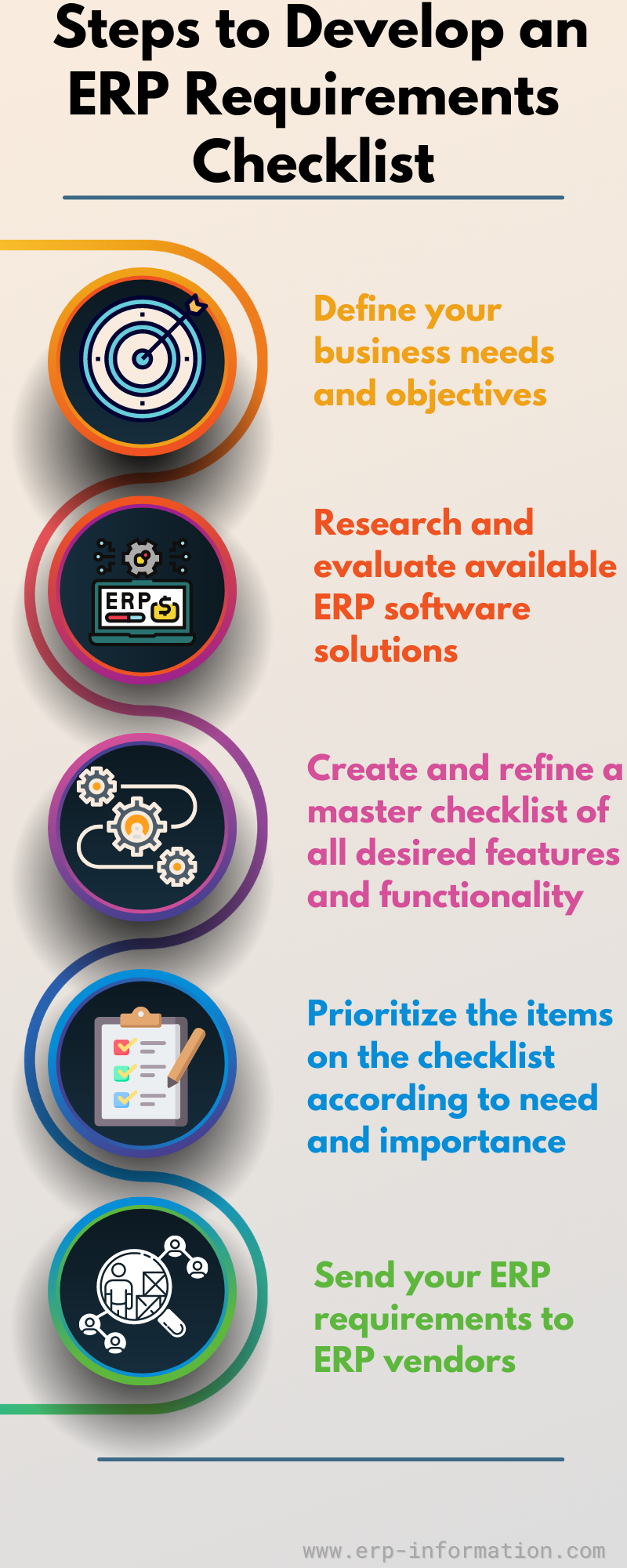
Welcome to our guide on Essential ERP Checklist Requirements! If you’re in the process of choosing an Enterprise Resource Planning (ERP) system for your business, there are several key factors to consider to ensure you select the right solution. From scalability to integration capabilities, this checklist will help you make an informed decision that aligns with your company’s needs and goals.
Identifying key stakeholders
When implementing an ERP system, it is crucial to identify and involve key stakeholders throughout the process. These stakeholders are individuals or groups who have a vested interest in the success of the project and will be affected by the changes brought about by the new system. By engaging with these stakeholders early on, you can ensure that their needs and concerns are addressed, leading to a smoother implementation process and increased buy-in from all involved.
One of the first steps in identifying key stakeholders is to create a stakeholder analysis matrix. This matrix helps you identify who the key players are, what their interests and concerns are, and how much influence they have over the project. Some common stakeholders in an ERP implementation project include executives, IT staff, end-users, vendors, and external partners.
Executives are often the most important stakeholders as they hold the decision-making power and can provide the necessary resources and support for the project. IT staff are critical for the technical aspects of the implementation, while end-users are the ones who will be using the system on a daily basis. Vendors and external partners may also play a role in the project, providing software, training, or other services.
Once you have identified the key stakeholders, it is important to engage with them early and often. This can involve holding regular meetings or workshops to gather feedback, address concerns, and keep everyone informed of progress. It is also important to communicate clearly and transparently with stakeholders, keeping them updated on any changes or challenges that may arise.
By involving key stakeholders throughout the ERP implementation process, you can ensure that their needs are met, build trust and support for the project, and increase the likelihood of success. This collaborative approach can help mitigate risks, improve user adoption, and ultimately lead to a more effective and efficient ERP system.
Defining project scope and objectives
Before embarking on an ERP implementation project, it is crucial to clearly define the scope and objectives of the project. This involves identifying what the project aims to achieve and what specific processes or areas of the business will be impacted by the implementation of the ERP system.
One of the first steps in defining project scope and objectives is to conduct a thorough analysis of the current state of the business. This includes identifying key pain points, inefficiencies, and areas for improvement. By understanding the current state of the business, the project team can better determine what goals the ERP system should help the organization achieve.
It is also important to involve key stakeholders in the process of defining project scope and objectives. This includes representatives from various departments within the organization who will be impacted by the ERP implementation. By involving key stakeholders early on in the process, the project team can ensure that their needs and concerns are taken into account when defining the scope and objectives of the project.
Once the current state of the business has been analyzed and key stakeholders have been consulted, the next step is to clearly define the objectives of the project. This involves determining what the organization hopes to achieve by implementing the ERP system. These objectives may include improving operational efficiency, streamlining business processes, reducing costs, or enhancing decision-making capabilities.
In addition to defining the objectives of the project, it is also important to establish clear criteria for success. This involves setting measurable goals and metrics that will be used to evaluate the success of the ERP implementation. By establishing clear criteria for success, the project team can track progress and make adjustments as needed to ensure that the project is on track to meet its objectives.
In conclusion, defining project scope and objectives is a critical step in the ERP implementation process. By conducting a thorough analysis of the current state of the business, involving key stakeholders, and clearly defining project objectives and criteria for success, organizations can set themselves up for a successful ERP implementation that delivers tangible benefits to the business.
Evaluating current business processes
When evaluating current business processes as part of the ERP checklist requirements, it’s essential to take a comprehensive look at all aspects of your operations. This involves assessing how tasks are currently being carried out, identifying any bottlenecks or inefficiencies, and determining where improvements can be made.
One key aspect of evaluating current business processes is understanding the flow of work within your organization. This includes mapping out the steps involved in each process, identifying dependencies between different tasks, and pinpointing any areas where work may be getting stuck or delayed. By gaining a clear picture of how work is currently being done, you can better assess where changes need to be made to streamline operations.
It’s also important to consider the technology and tools that are currently being used to support your business processes. This includes evaluating the effectiveness of any existing software systems, identifying any gaps or limitations in functionality, and determining whether these tools are helping or hindering your operations. By understanding how technology is currently being utilized within your organization, you can better assess whether an ERP system is needed and how it can enhance your processes.
Another critical aspect of evaluating current business processes is considering the roles and responsibilities of your employees. This involves looking at how tasks are currently allocated, whether there are any redundancies or overlaps in job functions, and whether employees have the necessary skills and resources to carry out their work effectively. By assessing the human element of your operations, you can identify opportunities for training, reorganization, or restructuring that could improve overall efficiency.
Furthermore, when evaluating current business processes, it’s essential to consider the customer and stakeholder experience. This involves looking at how tasks impact customer satisfaction, whether there are any pain points in your current processes that need to be addressed, and how improvements could lead to better outcomes for your customers. By taking a customer-centric approach to process evaluation, you can ensure that any changes made will ultimately benefit those who interact with your business.
In conclusion, evaluating current business processes as part of the ERP checklist requirements is a critical step in preparing for the implementation of a new system. By taking a holistic view of your operations, understanding the flow of work, assessing technology and tools, considering employee roles, and focusing on the customer experience, you can identify areas for improvement and set the stage for a successful ERP implementation.
Determining budget and resources
When it comes to implementing an ERP system, determining the budget and resources is a crucial step in the process. It is important to consider all aspects of the implementation, including software costs, hardware costs, implementation services, training, and ongoing maintenance. A well-defined budget will help avoid unexpected expenses and ensure that the project stays on track.
First, start by outlining the potential costs associated with the ERP implementation. This includes the cost of the software itself, any customization required, as well as the cost of hardware needed to run the system. It’s essential to work closely with the ERP vendor to get a clear understanding of all the costs involved and to negotiate the best possible deal.
Next, consider the resources required to implement the ERP system successfully. This includes both internal resources, such as IT staff and project managers, as well as external resources, such as consultants and training providers. It’s important to assess the availability of these resources and whether additional resources will need to be hired or contracted to ensure a successful implementation.
Another critical aspect to consider is the ongoing maintenance costs of the ERP system. This includes software updates, technical support, and any additional services required to keep the system running smoothly. It’s important to factor these costs into the budget to ensure that there are no surprises down the line.
Finally, it’s essential to evaluate the return on investment (ROI) of the ERP system. This involves assessing the potential benefits of the system, such as increased efficiency, reduced costs, and improved decision-making capabilities. By weighing the potential benefits against the costs, it can help determine whether the ERP system is a worthwhile investment for the company.
Researching and selecting ERP vendors
When it comes to selecting an ERP system for your business, there are a few key steps you should take to ensure you find the right fit. One of the first things you’ll need to do is research ERP vendors to see what options are available in the market. This can be done through online research, industry forums, and networking events. It’s important to look for vendors that have experience working with businesses similar to yours, as they will be better equipped to understand your unique needs and challenges.
Once you have a list of potential vendors, it’s time to start narrowing down your options. One of the best ways to do this is by requesting demos of the software. This will give you a chance to see the system in action and get a feel for how it will work in your own business. During the demo, be sure to ask plenty of questions about the functionality of the system, as well as any customization options that may be available.
After the demos, it’s important to check references from other businesses that have worked with the vendor. This will give you a clear picture of the vendor’s track record and customer satisfaction levels. Ask about the implementation process, ongoing support, and any challenges they faced while using the system. It’s also a good idea to check third-party review sites to see what other users have to say about their experiences with the vendor.
Another important factor to consider when selecting an ERP vendor is the level of customer support they offer. You want to choose a vendor that will be there to help you every step of the way, from implementation to ongoing support and updates. Look for vendors that offer training programs, a dedicated support team, and regular software updates to ensure your system stays up-to-date and running smoothly.
Lastly, don’t forget to consider the cost of the ERP system when selecting a vendor. Make sure you understand all the fees involved, including implementation costs, licensing fees, and ongoing support fees. It’s also a good idea to ask about any additional costs that may arise down the line, such as customization fees or fees for additional users. By considering all these factors, you can make an informed decision and choose the ERP vendor that is right for your business.
Originally posted 2025-09-24 15:00:00.